Stucco Repair Service in Fort Lauderdale, FL
Cracked, bulging, or hollow-sounding stucco usually means moisture is hiding behind the surface. We diagnose the cause, repair the substrate, and finish to match — so it stays fixed.
Licensed
4.8-Star Rated
Free Estimates
Fix the Cause — Not Just the Crack
Stucco repair in Fort Lauderdale is a service most property owners eventually need — because South Florida's combination of heat, humidity, salt air, and hurricane wind-driven rain is unforgiving to stucco finishes. Cracks that seem cosmetic often signal moisture behind the stucco, and water intrusion behind a stucco finish leads to mold, structural damage, and costly interior repairs. At Planet Construction FL, we repair stucco the right way — addressing the water infiltration issue first, then restoring the finish to match your building's existing texture and color.
Cracked Stucco Is Almost Never Just Cracked Stucco
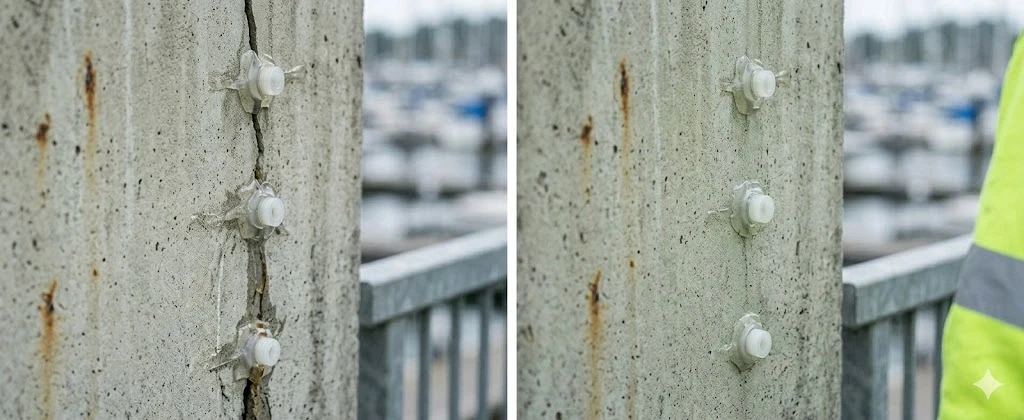
When stucco cracks, bulges, or sounds hollow, the visible damage is rarely the actual problem. The real issue is almost always behind the surface — failed flashing, water intrusion, rusted lath, or substrate damage that's been growing quietly for years. Skim-coating over the symptom looks good for a season and then fails again, often worse, because the moisture source was never addressed.
We Diagnose, Repair, and Refinish — All in One Job
We start by finding the moisture source — failed flashing, bad caulking, water intrusion behind windows or trim — and we fix it before we touch the stucco. Then we cut back to sound substrate, repair lath and weather barrier as needed, and rebuild the stucco in proper coats. The finish is matched to the existing wall so the repair blends in and stays put.
Common Stucco Problems in Fort Lauderdale
Stucco damage in South Florida follows recognizable patterns. Hairline map cracking (alligator cracking) appears as the stucco system ages and loses flexibility — often an indication that the stucco has dried out or lost its bond with the substrate. Larger diagonal cracks at corners and around window and door openings signal structural movement or thermal cycling stress. Delamination — stucco that is separating from the wall and producing a hollow sound when tapped — means moisture has infiltrated and broken the bond between the stucco coat and the substrate or lath. Efflorescence (white salt deposits on the surface) indicates water is moving through the wall assembly. Bubbling or blistering paint over stucco is a moisture alarm.
Repair vs. Full Re-Stucco — How to Decide
The right approach depends on the extent and type of damage. Isolated cracks and small delaminated areas are well suited to targeted patch repairs — old stucco is removed to the full delamination boundary, the substrate is inspected and repaired if needed, and new stucco is applied in matching coats. When delamination covers more than 25–30% of a wall, or when the existing stucco system has reached the end of its service life (typically 20–30 years in South Florida's climate), full re-stucco is often more cost-effective than patching. Planet Construction FL provides an honest assessment of both options — our goal is the right repair for your building's long-term performance, not the largest project scope.
Our Stucco Repair Process
Stucco repair begins with a full wall assessment — sounding the surface to map all delaminated areas, inspecting cracks for evidence of water infiltration, and checking window and door flashings for failure. All compromised stucco is removed to sound, well-bonded material — we never patch over delaminated sections. The underlying substrate (concrete masonry, concrete, or metal lath on wood framing) is inspected and repaired if moisture damage is present. New stucco is applied in the proper system for the substrate type — scratch coat, brown coat, and finish coat — with appropriate curing time between coats. The final finish is textured to match the surrounding surface and painted to minimize visual evidence of the repair.
Color & Texture Matching
Achieving a seamless, invisible stucco repair requires skill in both the material science and the craft. Stucco texture is applied by hand — dash, float, skip trowel, or smooth — and matching an existing pattern requires an experienced applicator who understands how technique affects the final result. Color matching for stucco paint is equally critical, and South Florida's UV intensity causes paint colors to shift and fade over time, making an exact material match difficult. Planet Construction FL's crews have extensive experience matching existing stucco textures and working with property owners and HOAs on color matching strategies that produce visually consistent results. For large repairs, we may recommend repainting the full wall face for the most uniform final appearance.
Frequently Asked Questions
Why does stucco crack in Fort Lauderdale?
Stucco cracks from a combination of factors common to South Florida: normal concrete and masonry block shrinkage and movement, thermal expansion and contraction from Florida's extreme heat cycles, moisture cycling from South Florida's rain and drought patterns, building settlement, and the aging and embrittlement of the stucco finish itself over time. Most cracks in properly applied stucco are cosmetic — but all cracks should be inspected for moisture infiltration potential before deciding on a repair approach.
Does stucco repair include waterproofing?
It can and often should. Where stucco repair is driven by water infiltration, we integrate elastomeric waterproofing paint or a dedicated moisture barrier behind the new stucco at vulnerable locations — particularly at window heads, sills, and horizontal ledges where water collects. For buildings with a history of recurring moisture problems through the stucco envelope, we may recommend a full exterior waterproofing system as part of the repair scope.
Can you match my existing stucco texture?
Yes — our crews work in a wide range of stucco textures including smooth, sand, dash, skip trowel, and custom patterns. We sample the existing texture and match as closely as possible before committing to the full repair area. Perfect invisibility is not always achievable on aged or sun-faded surfaces, but a well-executed repair is far less visible than untreated stucco damage.
How long does stucco repair last?
Properly repaired stucco with an elastomeric paint finish typically performs for 10–20 years in South Florida's climate before additional maintenance is needed. The key factors are surface preparation quality, proper flashing at all water-vulnerable details, and maintaining the elastomeric paint system with periodic recoating before it develops cracks or erosion.